
The questions that come before the order.
Depth ratings, temperature limits, jointing methods and standards — answered per system, with a link through to the full dimensional data.
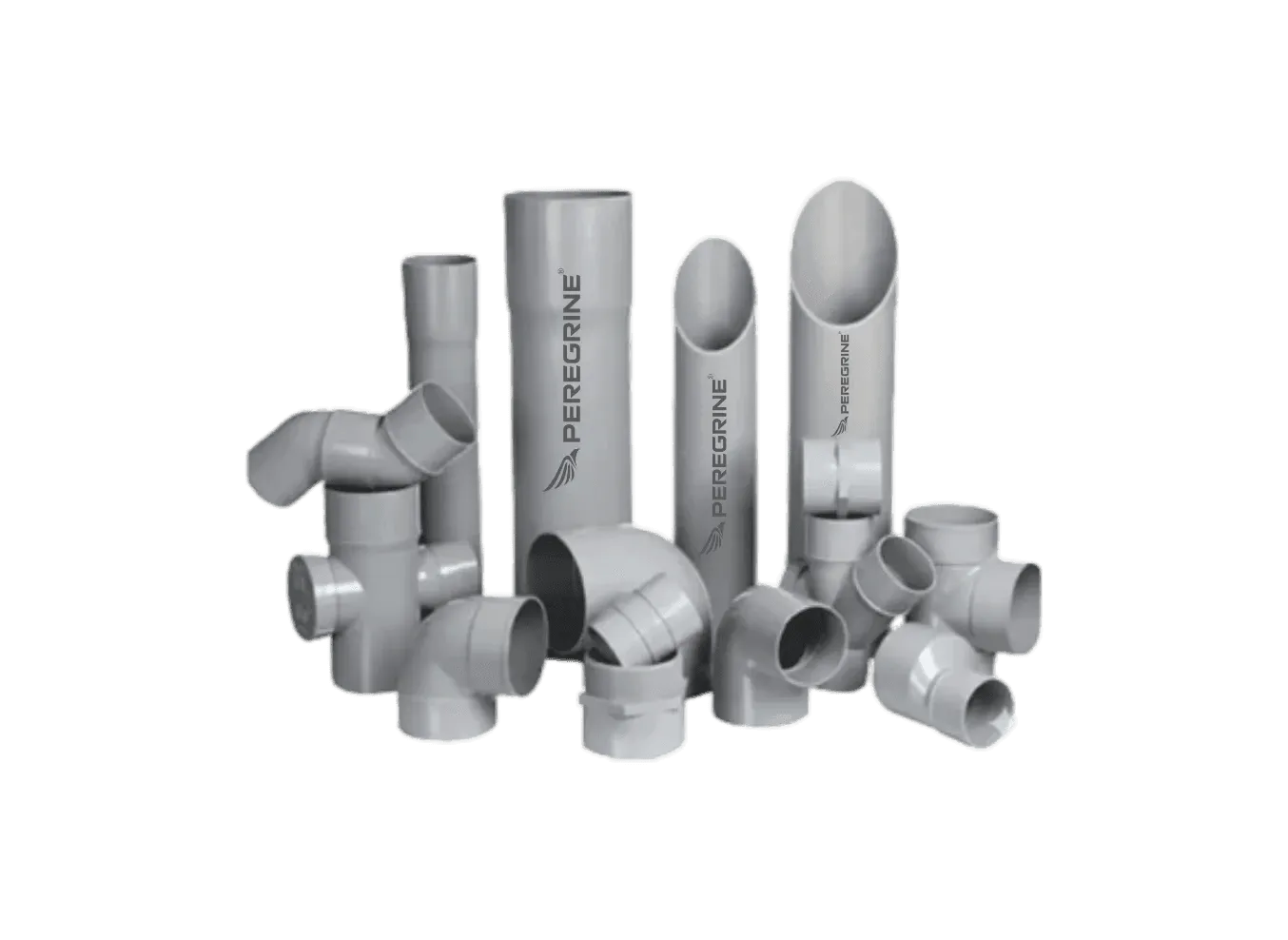
What is the expected lifespan of these pipes?
When installed correctly underground, Peregrine Rigid PVC pipes have a service life exceeding 50 years due to their resistance to corrosion and biological attack.
Rigid PVC (R-PVC) specificationAre these pipes safe for drinking water?
Yes, our R-PVC pipes are non-toxic, lead-free, and do not impart any taste or odor to the water, making them safe for potable water supply.
Rigid PVC (R-PVC) specificationHow are the joints sealed?
They can be joined using Solvent Cement for smaller diameters or Elastomeric Sealing Rings (Rubber Rings) for larger diameters to ensure leak-proof connections.
Rigid PVC (R-PVC) specification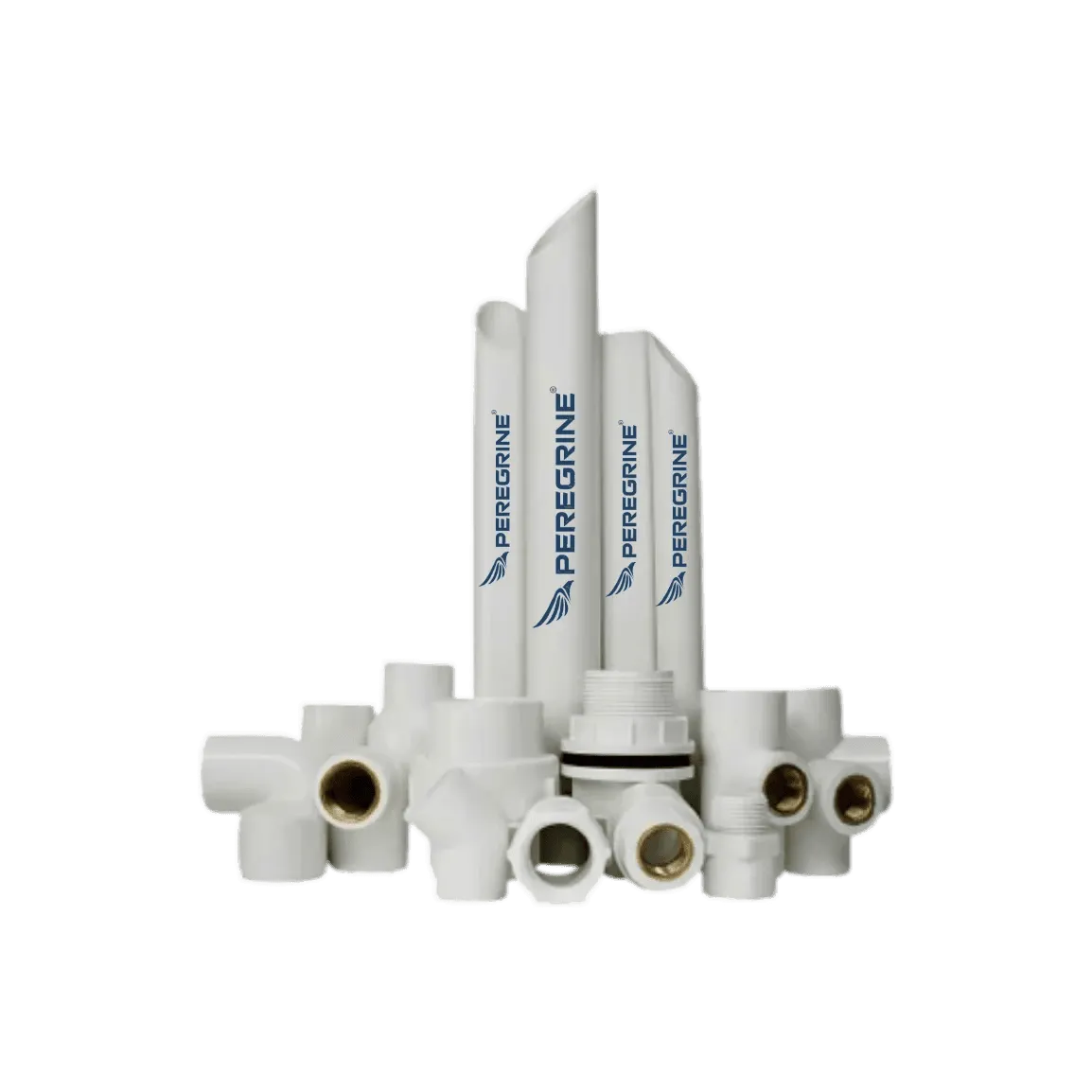
Can I use uPVC pipes for hot water?
No, uPVC pipes are suitable for cold water distribution up to 60°C. For hot water applications, we recommend our cPVC range.
uPVC Plumbing Pipes specificationDoes it require threading?
No, uPVC plumbing pipes utilize solvent cement joining (cold welding), which is faster, easier, and more leak-proof than threaded GI pipes.
uPVC Plumbing Pipes specificationIs it UV resistant for outdoor use?
Yes, our uPVC pipes are UV stabilized, making them suitable for outdoor installations without degrading under sunlight.
uPVC Plumbing Pipes specification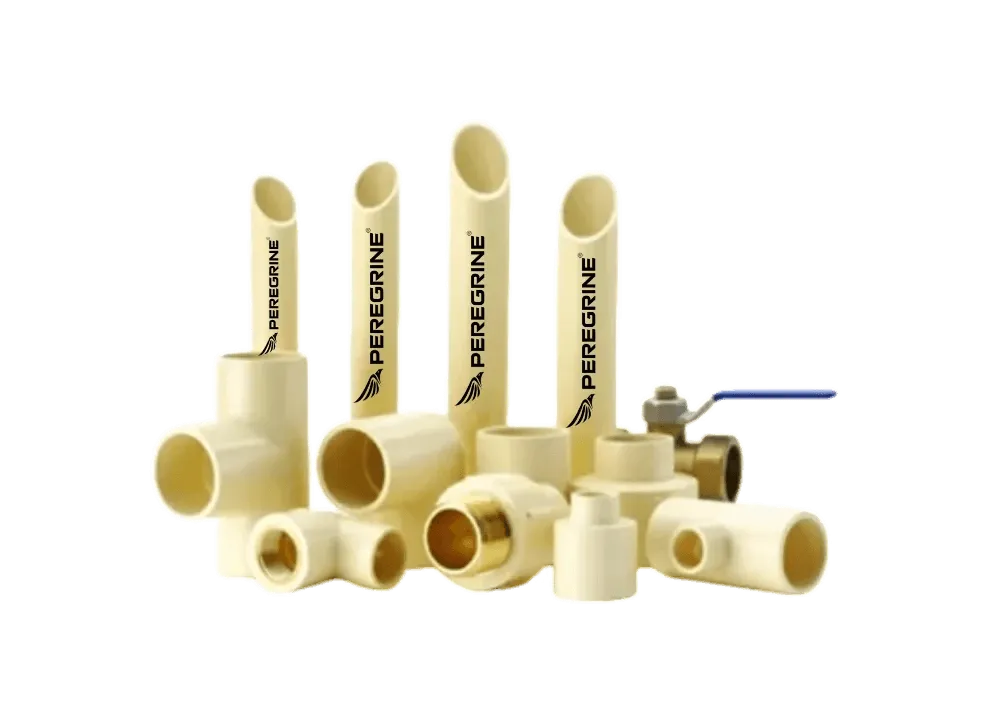
What is the maximum temperature cPVC can handle?
Peregrine cPVC pipes can withstand temperatures up to 93°C (200°F), making them ideal for geysers and solar water heaters.
Hot & Cold cPVC Pipes specificationCan I join cPVC with standard PVC glue?
No, you must use solvent cement specifically formulated for cPVC to ensure a strong chemical bond capable of withstanding high temperatures.
Hot & Cold cPVC Pipes specificationIs cPVC safe for drinking water?
Absolutely. cPVC is approved worldwide for potable water systems and does not support bacterial growth.
Hot & Cold cPVC Pipes specification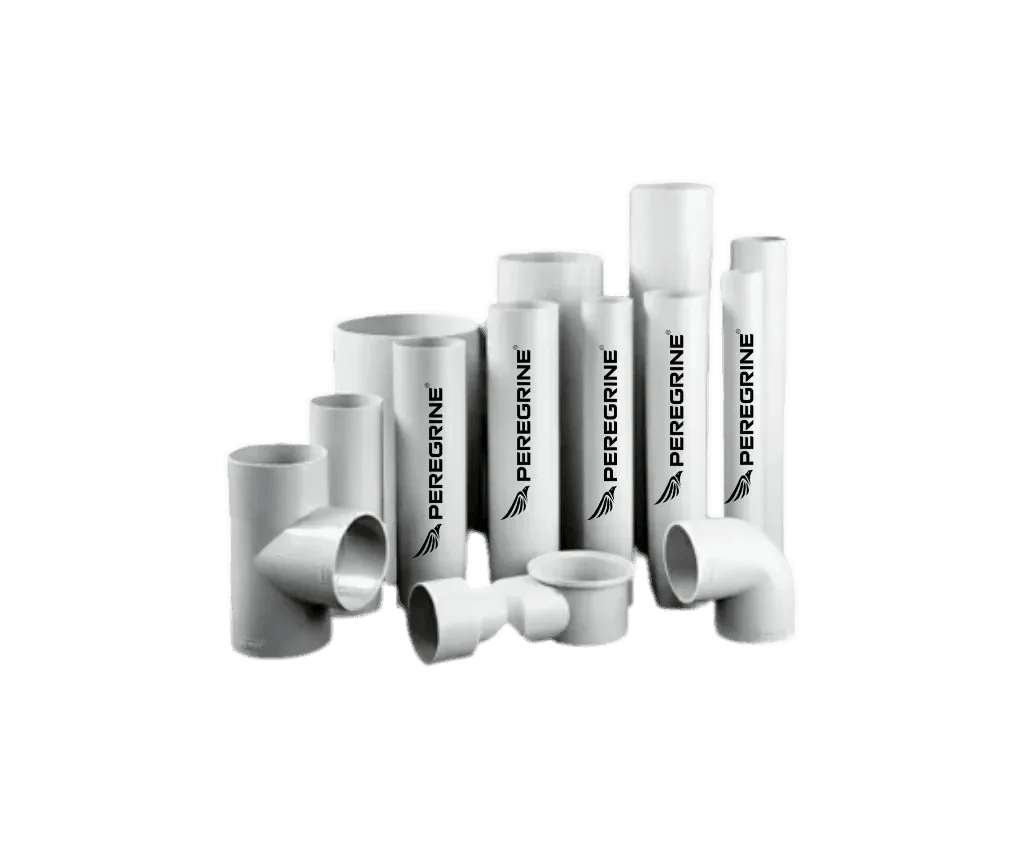
What is the difference between Type A and Type B?
Type A is for rainwater and ventilation (thinner wall). Type B is for soil and waste discharge (thicker wall, stronger).
SWR (Selfit) Plumbing Pipes specificationHow do I maintain these pipes?
SWR pipes are maintenance-free. Their smooth inner surface prevents scaling and choking, requiring no painting or coating.
SWR (Selfit) Plumbing Pipes specification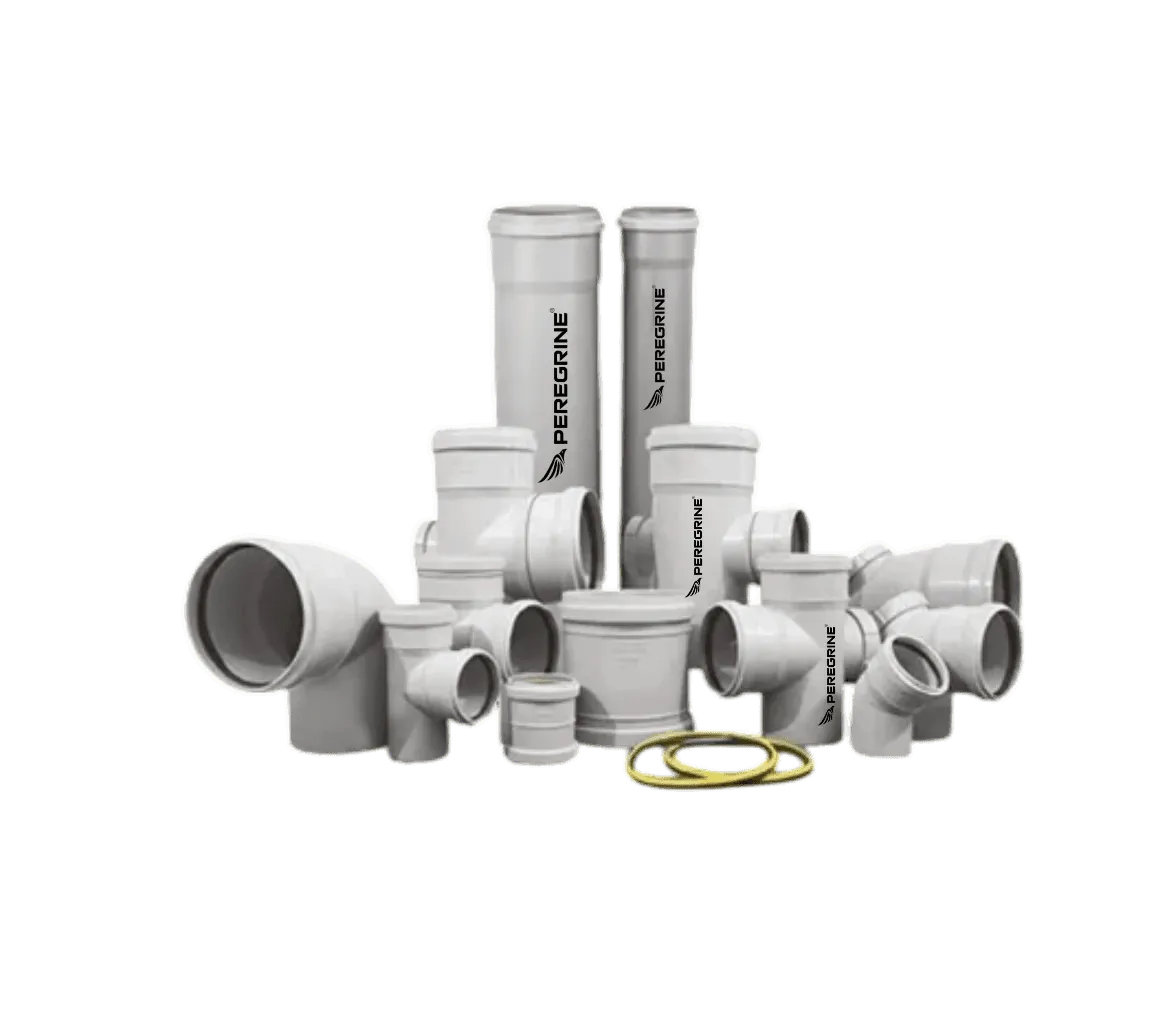
Why choose Ringfit over Selfit?
Ringfit pipes have a rubber seal that absorbs thermal expansion and contraction, making them ideal for tall buildings where temperature changes can cause pipes to move.
SWR (Ringfit) Plumbing Pipes specificationDoes it leak over time?
The EPDM rubber ring ensures a permanent, leak-proof seal that does not degrade easily, provided it is installed correctly.
SWR (Ringfit) Plumbing Pipes specification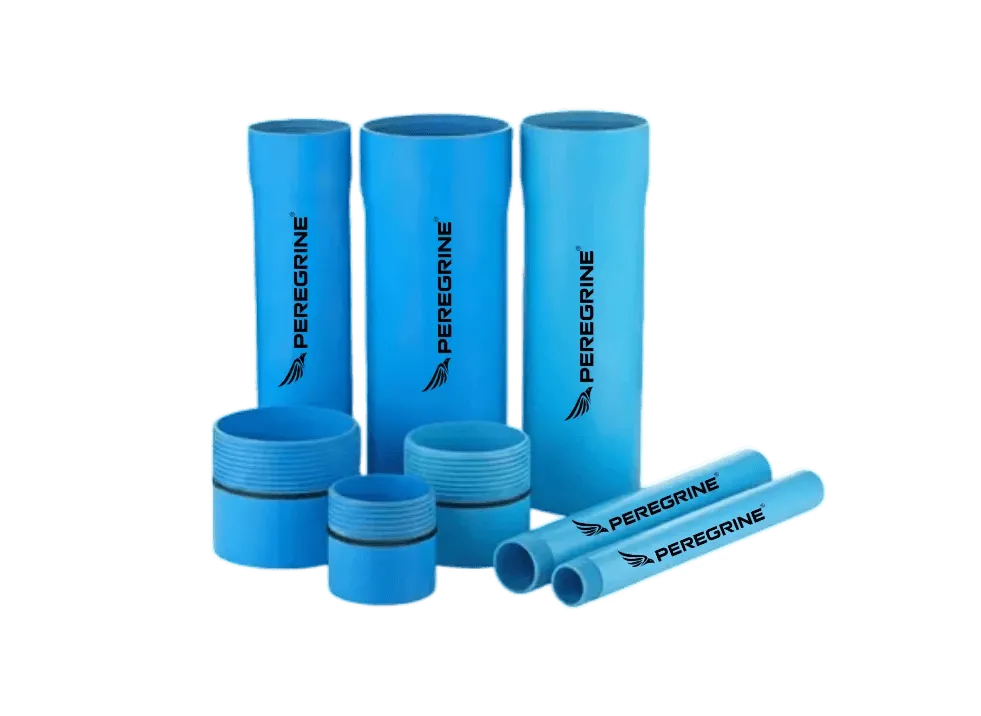
How deep can these pipes be installed?
CM (Casing Medium) pipes are designed for depths up to 250 meters, while CS (Casing Shallow) are for up to 80 meters.
BoreWell Casing specificationWill they corrode like steel pipes?
No, uPVC casing pipes are completely immune to corrosion from soil acidity or alkalinity, ensuring a much longer lifespan for your borewell.
BoreWell Casing specificationWhat thread type is used?
We use high-precision Trapezoidal threads that ensure strong joints capable of bearing the vertical load of the pipe column.
BoreWell Casing specificationNot answered here? Ask us directly.
Our technical team answers specification questions within 24 hours.